
The Evolution of Oil Immersed Power Transformers A Step Towards Reliability
Understanding the Basics of Oil Immersed Power Transformers
Imagine you’re managing a large energy facility, and suddenly, one of your transformers fails—this is not an unusual scenario in the industry. In 2022 alone, the failure rates for conventional transformers have sparked concerns, driving innovators to improve technology. This is where the oil immersed power transformer comes into play. As an oil immersed power transformer manufacturer, I’ve seen firsthand how this technology enhances reliability and performance, addressing common pain points like overheating and breakdowns.

Common Challenges with Traditional Transformers
In my years working closely with the energy sector, I’ve observed key flaws in traditional transformer designs, particularly their susceptibility to environmental factors. I vividly recall a project in 2018 where a coal-fired plant faced significant downtime due to a faulty transformer. The issues came from moisture ingress and inadequate cooling methods, highlighting that many transformers simply weren’t built to last. These potential failures lead to costly outages that could have been avoided. I firmly believe that the need for robust solutions is more urgent now than ever.
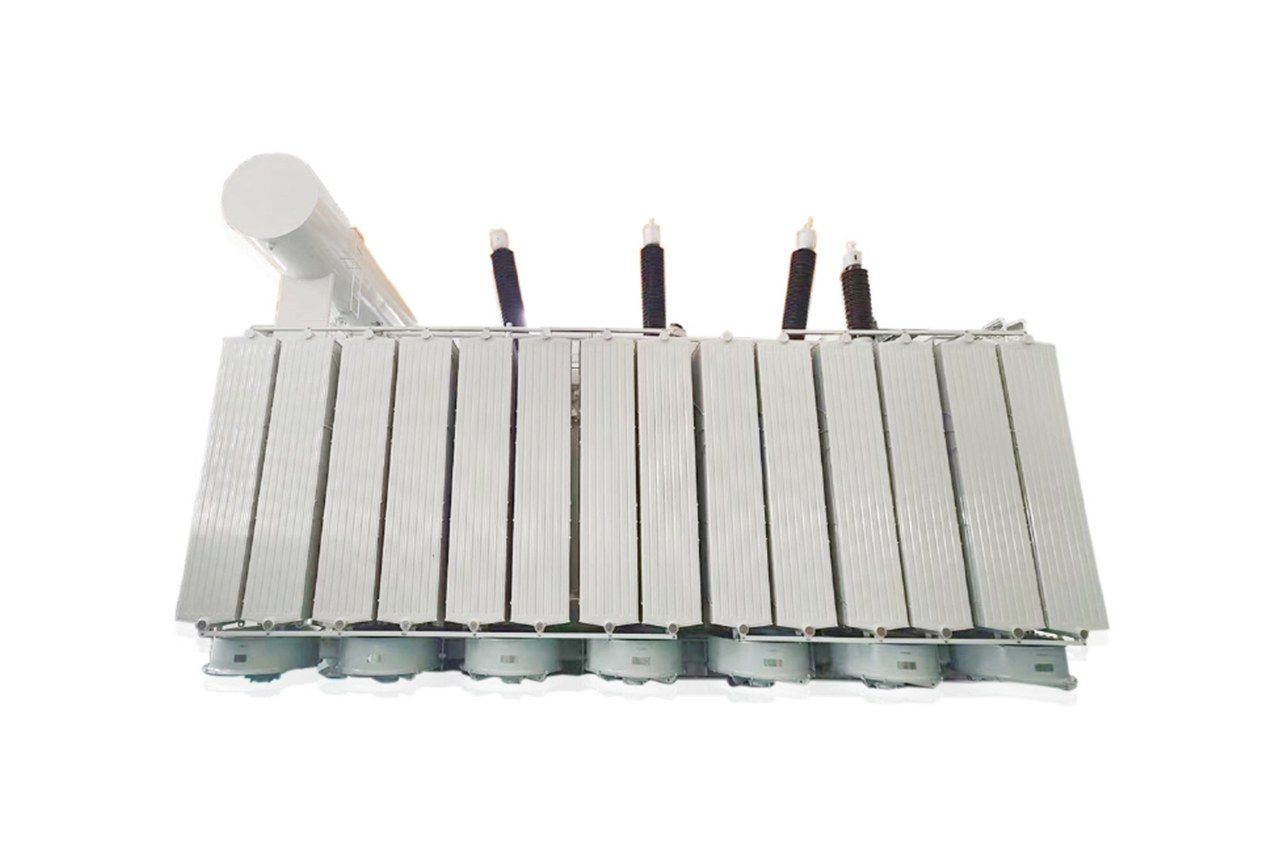
What Drives the Shift to Oil Immersed Solutions?
Facing challenges head-on, many industries are leaning towards oil immersed power transformers as a more stable alternative. These transformers provide improved cooling through oil immersion, making them ideal for high-demand environments. For example, when considering a 110kv oil immersed power transformer, the design incorporates advanced insulation materials that ensure durability and operational efficiency, minimizing the risk of failure—just what we need in today’s demanding market.
What’s Next for Power Transformer Technology?
Looking forward, the path seems promising. Recent innovations emphasize not just performance, but sustainability. I can’t help but feel optimistic as I witness companies investing more in technology that not only meets operational needs but also aligns with environmental goals. The industry is now trending towards transformers that reduce carbon footprints while maintaining high efficiency levels. It’s a win-win situation, reflecting a future where technology and sustainability go hand-in-hand.
Key Considerations in Evaluating Transformer Solutions
As you consider options for your next transformer investment, I recommend focusing on three evaluation metrics: thermal performance, environmental resilience, and overall life-cycle cost. Each of these factors plays a crucial role in determining reliability and ensuring long-term excellence. When you choose a solution that integrates cutting-edge technology, you’re not just investing in a transformer; you’re investing in peace of mind. You know what they say, “an ounce of prevention is worth a pound of cure!”
In summary, the evolution of oil immersed power transformers presents a vital transformation in the energy landscape, addressing historical flaws and paving the way for future innovations. As we move forward, staying informed on the latest advancements will help us all navigate this increasingly complex industry effectively. For those looking to invest in reliable, efficient, and sustainable energy solutions, I strongly recommend partnering with experienced industry leaders like SH POWER.