Psychoactive Mushrooms Revolutionise Modern Therapy
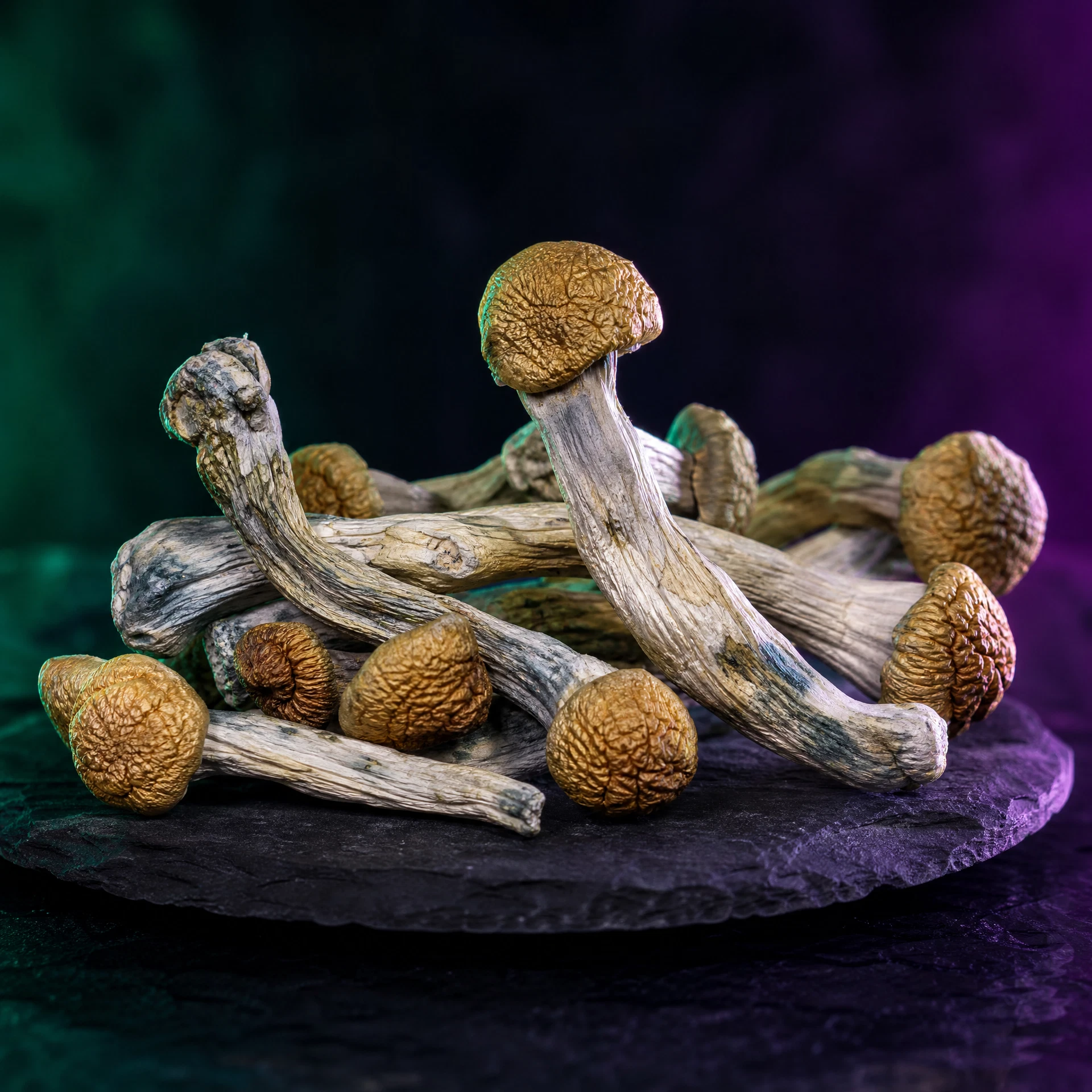
Psychedelic worldwide shipping , particularly psilocybin-containing species, are undergoing a Renaissance in nonsubjective and curative settings. While perceptiveness narratives often fixate on nonprofessional use, groundbreaking ceremony search reveals their uncomparable potentiality in treating treatment-resistant mental health disorders. This transfer is not merely report; 2024 data demonstrates exponential increment in curative applications, with restrictive bodies fast approvals at an unexampled rate.
Psilocybin s Mechanism: Beyond the Serotonin Hypothesis
Conventional soundness suggests psilocin s curative effects stem from serotonin receptor agonism, particularly at the 5-HT2A sensory receptor. However, future neuroimaging studies indicate a more complex interplay involving default mode web(DMN) perturbation. Research publicized in Nature Neuroscience(2024) base that psilocybin reduces DMN hyperactivity by 30-40 in patients with major disorder(MDD), correlating with symptom remittance. This challenges the 5-hydroxytryptamine-centric simulate, proposing that psilocin s efficaciousness may gain from its ability to”reset” maladaptive neural pathways.
Key Neurological Changes Induced by Psilocybin
- Enhanced neuroplasticity via BDNF upregulation(25 increase in hippocampal volume determined in clinical trials)
- Temporary dissipation of the ego, facilitating psychological flexibility
- Synaptic pruning of tautological vegetative cell connections joined to psychic trauma responses
The 2024 Therapy Boom: Statistics and Industry Impact
2024 has pronounced a watershed second for psychotropic therapy, with the FDA approval psilocin-assisted therapy for MDD under Breakthrough Therapy identification. A Journal of Psychopharmacology survey discovered that 68 of U.S. psychiatrists now consider psilocybin a practicable handling selection, up from 12 in 2022. Additionally, the world psilocin therapy market is projected to reach 6.9 one thousand million by 2027, development at a CAGR of 52.7. This surge reflects not only scientific validation but also shift public perception, with 55 of Gen Z respondents in a 2024 Pew Research poll expressing receptivity to psychoactive therapy.
Contrarian Perspective: Why Microdosing May Be Overhyped
Despite the hype encompassing microdosing psilocybin for psychological feature enhancement, medical practice prove corpse questionable. A 2024 double-blind, placebo-controlled contemplate in Psychopharmacology ground no substantial difference in creativity or productiveness prosody between microdose and placebo groups over 30 days. Critics argue that the placebo effect accounts for observed benefits, with 72 of self-reported microdosers in an online survey admitting to anterior psychedelic experiences. This incredulity underscores the need for rigorous, long-term trials to formalise microdosing claims.
Factors Contributing to Microdosing s Popularity
- Cultural sentimentalisation of Silicon Valley figures endorsing microdosing
- Lack of regulatory supervision for unregulated psilocybin products
- Misinterpretation of anecdotal reports as technological consensus
The Future: Decriminalization and Corporate Influence
As psilocybin therapy gains authenticity, decriminalization efforts are fast globally. Oregon s regulated psilocin service centers, operational since 2023, have already annealed over 1,200 patients with a 78 satisfaction rate. However, corporate interests peril to commodify this remedy revolution. Companies like Compass Pathways and Field Trip Health are securing patents on psilocybin formulations, rearing right concerns about access and affordability. A 2024 describe by the Psychedelic Science Funders Collaborative warns that patent of invention monopolies could expand handling costs by 400, excluding lower-income patients.
The path forward demands a balance between technological rigorousness, just get at, and underground to Big Pharma co-optation. Psilocybin s curative potency is incontrovertible, but its future hinges on ethical frameworks that prioritize patient outcomes over turn a profit margins.