
How does spice packing machine operation work?
A Spice packing machine is designed to automate the process of measuring, filling, sealing, and preparing spices for sale. Instead of depending entirely on manual labor, modern packing equipment uses mechanical and electronic systems to handle each stage with greater speed and consistency. These machines are commonly used for products such as chili powder, turmeric, cumin powder, coriander powder, black pepper, mixed spices, and seasoning blends.
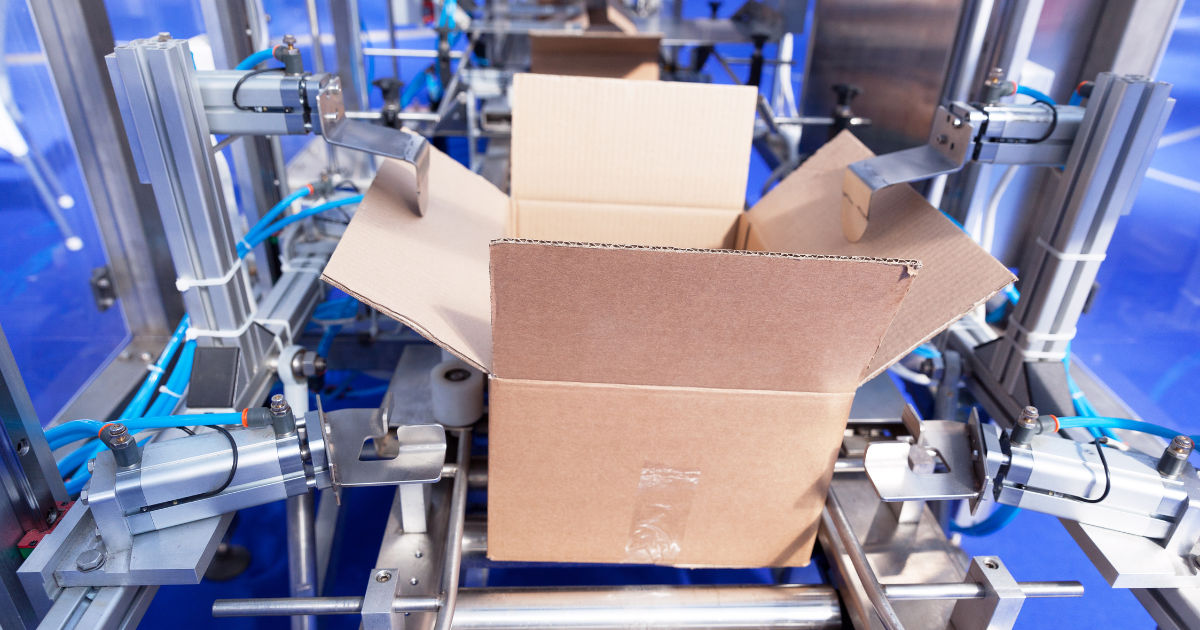
Understanding how a packing machine operates is useful for food manufacturers, packaging businesses, and production managers. The basic process may appear simple, but several coordinated mechanisms work together to ensure that every packet receives the correct amount of product and is properly sealed.
This guide explains the complete operating process, major components, different filling methods, machine settings, safety considerations, maintenance requirements, and factors that influence packaging performance.
What Is a Spice Packing Machine?
A spice packing machine is automated or semi-automated equipment used to package powdered, granulated, or blended spices into containers or flexible pouches.
Depending on the machine design, it can perform several operations automatically. These may include film feeding, bag forming, product measuring, filling, sealing, cutting, date coding, and finished-packet discharge.
The main purpose is to create uniform packages while reducing production time and minimizing product loss.
Machines are available in different configurations. Some are designed for small businesses and operate at relatively low speeds, while industrial models can package thousands of units during a production shift.
Basic Working Principle
The operating principle of a Spice packing machine involves moving packaging material through a controlled sequence of operations.
First, the packaging film or prepared container is positioned for filling. The machine measures a predetermined quantity of spice. The measured product is then transferred into the package.
After filling, the package is sealed to prevent leakage and protect the contents from moisture, dust, air, and contamination.
In many automatic systems, these operations happen continuously. Sensors and controllers monitor the process and coordinate different components.
The exact operating method depends on the machine's filling system, packaging format, product characteristics, and desired production speed.
Main Stages of Machine Operation
Although machines differ in design, most packaging systems follow several basic stages.
Loading the Packaging Material
The process begins with packaging material.
For flexible pouch machines, a roll of laminated film is commonly installed on a film holder. The material is fed through rollers toward the forming and sealing section.
The film must be correctly aligned. Poor alignment can cause uneven bags, wrinkles, weak seals, or excessive material consumption.
Some machines use pre-made pouches instead of film rolls. In this setup, the machine opens, fills, and seals each pouch.
Measuring the Spice
Accurate measurement is one of the most important parts of packaging.
The machine needs to deliver a specific quantity into every package. Depending on the product and equipment, this may be achieved using an auger filler, volumetric cup, weigh filler, or another metering mechanism.
Powdered spices are often handled using auger-based filling systems. An auger is a rotating screw mechanism that moves a controlled quantity of powder toward the filling outlet.
The number of rotations can be adjusted according to the desired package weight.
For granular spices or coarse products, volumetric or weighing systems may be more appropriate.
Forming the Pouch
When roll film is used, the machine forms the flat film into the required pouch shape.
The film passes around a forming collar or similar mechanism. The sides of the material are brought together, creating a tube.
The machine then creates the necessary seals to establish the package structure.
Proper forming is essential because the filling and sealing stages depend on accurate positioning.
Filling the Package
Once the package is positioned, the measured spice enters through the filling tube.
The filling mechanism controls how much product is released.
Powder can behave differently depending on particle size, moisture, density, and flow characteristics. For example, a fine spice powder may flow differently from crushed chili or coarse pepper.
Machine settings must therefore be adjusted to match the specific product.
Sealing the Package
After filling, the package moves into the sealing section.
Heat-sealing systems commonly use heated sealing jaws or bars to join compatible packaging layers.
Temperature, pressure, and sealing time must be properly balanced.
If the temperature is too low, the seal may be weak. Excessive heat can damage the packaging material or create an unattractive seal.
Pressure also matters because the sealing surfaces must make sufficient contact.
Cutting and Discharge
After sealing, the machine cuts individual packages from the continuous film.
A cutting mechanism separates one finished pouch from the next.
The completed package is then transferred to a discharge area, conveyor, collection tray, or downstream packaging system.
Some machines also include systems for counting the finished packets.
How the Control System Works
Modern packaging equipment typically uses an electronic control system to coordinate machine functions.
A programmable logic controller, touchscreen interface, sensors, motors, and other electronic components may work together.
The operator can enter settings such as:
-
Target package weight
-
Filling speed
-
Film length
-
Sealing temperature
-
Sealing time
-
Production quantity
-
Machine speed
Once the settings are entered, the controller coordinates the sequence.
Sensors can detect film position, package presence, and other operating conditions. If the machine detects an abnormal condition, it may stop the process or display an alarm.
This automation helps reduce repetitive manual work.
Role of the Filling System
The filling mechanism has a major effect on package accuracy.
Auger Filling
Auger fillers are widely used for powdered spices.
The rotating screw moves the product toward the discharge point. The system can control the amount by adjusting rotation speed, number of rotations, or related parameters.
Auger filling works particularly well with many fine and free-flowing powders, although product characteristics must still be considered.
Volumetric Filling
Volumetric systems measure products based on volume rather than directly weighing every dose.
A specific volume is allocated for each package.
This method can provide high production speeds, but changes in product density can influence the actual weight.
Weighing Systems
Weighing-based fillers measure the actual weight of the product.
The system fills a target amount and uses weighing feedback to improve accuracy.
This approach can be useful when precise weight control is important or when product density changes during production.
Importance of Spice Characteristics
Not every spice behaves the same way inside packaging equipment.
Particle size is an important factor. Fine powders can become airborne, while coarse materials may flow differently through feeding mechanisms.
Moisture content can also influence flow.
If a spice absorbs moisture, it may become sticky or form lumps. These conditions can interfere with feeding and measurement.
Bulk density is another important factor because a given volume may contain different weights depending on product density.
For these reasons, machine selection should be based on the actual spice being packaged.
Packaging Materials Used for Spices
Spices are commonly packaged using flexible materials that provide protection from environmental conditions.
Depending on the product and market requirements, packaging may include laminated films, plastic-based structures, paper laminates, or other food-grade materials.
The packaging material needs to be compatible with the machine's sealing system.
It should also provide suitable protection against moisture, oxygen, light, and contamination when required.
The selected material can affect sealing temperature and machine performance.
Setting Up the Machine
Before production begins, operators need to prepare the machine carefully.
The packaging film should be installed correctly and aligned with the film path.
The filling system should be cleaned and loaded with the appropriate spice.
The operator then selects the required package dimensions and target quantity.
Sealing temperature and other parameters should be adjusted according to the packaging material.
A small test run is normally useful before full-scale production.
During testing, operators can check package weight, seal quality, pouch dimensions, film alignment, and product appearance.
Calibration and Accuracy
Calibration helps maintain consistent package weights.
Operators should periodically compare the machine's output with a reliable weighing scale.
If packages are consistently above or below the desired weight, adjustments may be required.
Calibration frequency depends on production volume, machine design, product behavior, and quality requirements.
Regular checks are especially important in commercial food production because inaccurate filling can increase product costs and create compliance problems.
Importance of Correct Sealing
A properly filled package is not useful if the seal is weak.
Good sealing protects the spice from external contamination and helps maintain product quality.
Operators should inspect seals for gaps, wrinkles, burn marks, incomplete bonding, or product trapped inside the sealing area.
Spice particles between sealing surfaces can prevent proper bonding.
Keeping the sealing area clean is therefore an important part of routine operation.
Safety During Operation
Operators should follow the manufacturer's safety instructions.
Moving components, heated sealing surfaces, electrical systems, and cutting mechanisms can create hazards.
Protective guards should remain in position while the machine is operating.
Operators should avoid placing hands near moving or heated components.
The machine should be switched off and isolated from its power source before maintenance or cleaning procedures that require access to internal mechanisms.
Training is also important. Operators should understand emergency stops, machine alarms, safe startup procedures, and shutdown processes.
Cleaning and Hygiene
Food packaging equipment must be kept clean.
Spice particles can accumulate around filling tubes, hoppers, sealing areas, conveyors, and other surfaces.
Regular cleaning reduces the risk of contamination and helps prevent product buildup.
The cleaning procedure should follow the machine manufacturer's recommendations and the food safety requirements of the production facility.
Different spices may also require additional cleaning between production runs to prevent cross-contact and preserve product identity.
Common Operating Problems
Even automated equipment can experience problems.
One common issue is inconsistent filling. This may result from changes in product flow, incorrect machine settings, worn components, or material buildup.
Another problem is poor sealing. Incorrect temperature, pressure, timing, or contaminated sealing surfaces can contribute to weak seals.
Film tracking problems may produce uneven packages or incorrect cuts.
Powder leakage can occur when the filling and sealing sequence is not properly synchronized.
Many problems can be reduced through routine inspection, correct setup, and regular maintenance.
Maintenance Requirements
Preventive maintenance helps keep packaging equipment reliable.
Operators should inspect components according to the manufacturer's recommended schedule.
Important areas may include:
-
Filling mechanisms
-
Bearings
-
Belts
-
Motors
-
Sensors
-
Sealing jaws
-
Cutting blades
-
Film rollers
-
Electrical connections
-
Pneumatic components
Worn or damaged parts should be replaced promptly.
Lubrication should only be performed where recommended and with appropriate materials, particularly because the machine operates in a food-production environment.
Advantages of Automated Spice Packaging
Automation offers several benefits to spice manufacturers.
Higher Production Speed
A machine can package products considerably faster than manual filling and sealing.
This makes automated systems suitable for businesses handling large production volumes.
Better Consistency
Automation helps maintain consistent package dimensions and filling quantities.
Consistency improves product presentation and can reduce variations between packages.
Reduced Labor Requirements
One operator can often supervise equipment that performs several repetitive packaging tasks.
This can reduce the amount of manual work required for continuous production.
Improved Product Protection
Properly sealed packaging can protect spices against moisture, dust, air exposure, and contamination.
Better protection can contribute to longer product quality and improved customer satisfaction.
Reduced Product Waste
Accurate filling and controlled film usage can reduce unnecessary product and packaging waste.
However, actual savings depend on machine settings, maintenance, product characteristics, and operator practices.
Factors to Consider When Choosing a Machine
Businesses should consider several factors before purchasing packaging equipment.
The first is the type of spice being packaged.
Next, determine the required package sizes and expected production volume.
The filling method should be suitable for the product's physical properties.
Packaging material compatibility is also essential.
Other considerations include machine speed, filling accuracy, cleaning requirements, available floor space, power requirements, spare parts availability, operator training, and after-sales technical support.
A machine with a high advertised speed is not automatically the best choice. Reliability, accuracy, ease of maintenance, and compatibility with the production process are equally important.
Manual, Semi-Automatic, and Automatic Systems
Packaging systems can generally be divided into manual, semi-automatic, and fully automatic categories.
Manual systems require significant operator involvement.
Semi-automatic machines automate certain stages while requiring an operator to perform other tasks, such as feeding containers or initiating filling cycles.
Fully automatic systems can coordinate film feeding, forming, filling, sealing, cutting, and discharge with limited operator intervention.
The best option depends on production volume and available investment.
Small businesses may benefit from simpler equipment, while large manufacturing facilities may require integrated automatic lines.
Improving Machine Performance
Good machine performance depends on more than equipment quality.
Operators should use consistent raw materials and keep products within suitable moisture and particle-size ranges.
Correct machine settings should be established through testing rather than guesswork.
Regular calibration helps maintain filling accuracy.
Cleaning should be performed according to a defined schedule.
Preventive maintenance should also be planned instead of waiting for a breakdown.
Monitoring production data can help identify recurring issues and improve efficiency over time.
Future Developments in Spice Packaging
Packaging technology continues to become more automated.
Modern systems increasingly use digital controls, improved sensors, automated weighing, data monitoring, and machine diagnostics.
Some advanced systems can record production information and provide alerts when operating conditions move outside defined limits.
Integration with conveyors, labeling systems, coding equipment, checkweighers, and inspection systems can create a complete packaging line.
These developments can help manufacturers improve productivity while maintaining quality and traceability.
Frequently Asked Questions
How does a spice packing machine measure spices?
It may use an auger, volumetric filler, weighing system, or another metering mechanism. The appropriate method depends on the type and physical properties of the spice.
Can one machine package different spices?
Many machines can handle multiple products, but adjustments and thorough cleaning may be necessary when switching between spices.
Why is calibration important?
Calibration helps ensure that the quantity delivered into each package remains close to the target weight.
What causes weak package seals?
Common causes include incorrect sealing temperature, insufficient pressure, incorrect sealing time, incompatible packaging material, or spice particles trapped in the sealing area.
How often should the machine be cleaned?
Cleaning frequency depends on production conditions, product characteristics, hygiene requirements, and the manufacturer's instructions. Food-contact areas generally require regular cleaning.
Is an automatic machine suitable for a small business?
It can be, but the decision depends on production volume, budget, available space, and the desired level of automation. A semi-automatic system may be more practical for lower production volumes.
Conclusion
A Spice packing machine combines measurement, filling, packaging, sealing, cutting, and control systems to turn loose spices into consistent finished packages. Although the basic concept is straightforward, successful operation requires coordination between the filling mechanism, packaging material, sealing system, sensors, and control software.
The process normally begins with preparing the packaging material and setting the required package size. The machine then measures the spice and transfers it into the package. After filling, the package is sealed and separated from the continuous packaging material before being discharged for further handling.
Product characteristics play an important role in machine performance. Fine powders, coarse spices, blends, and products with different moisture levels may require different filling settings and equipment configurations. Proper calibration is also essential because consistent package weights help control product costs and maintain quality.
Regular cleaning and preventive maintenance are equally important. A clean machine supports food hygiene, while well-maintained components reduce unexpected downtime and help preserve operating accuracy.
For businesses selecting packaging equipment, production volume should not be the only consideration. Filling accuracy, packaging compatibility, ease of cleaning, maintenance requirements, machine reliability, operator safety, and technical support should all be evaluated.
When correctly selected, installed, calibrated, and maintained, automated spice packaging equipment can significantly improve production efficiency. It can reduce repetitive labor, improve package consistency, limit waste, and provide better protection for the finished product.
Ultimately, understanding how the equipment works allows operators and manufacturers to make better decisions about setup, troubleshooting, maintenance, and production planning. With the right operating procedures, a Spice packing machine can become an important part of an efficient and reliable spice packaging operation.