Latest Advances in Hydrogen Pressure Sensor Technology
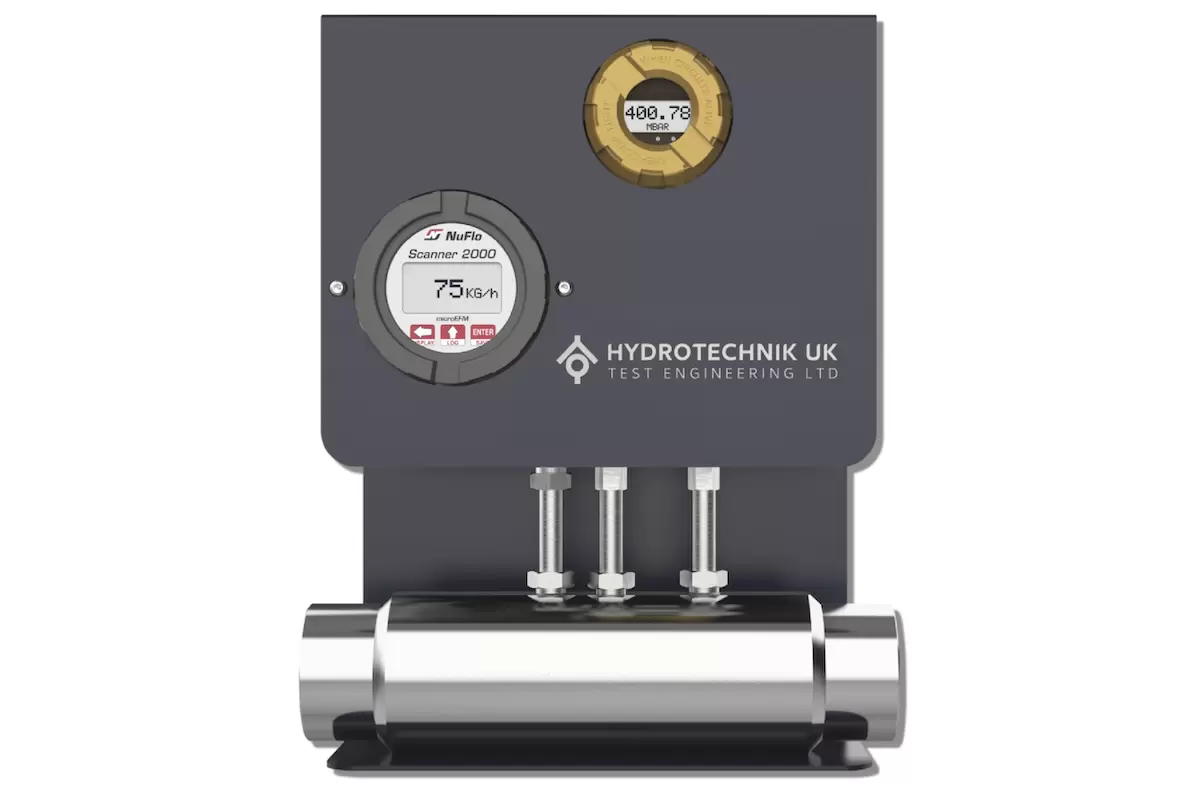
You’re likely aware that accurate hydrogen measurement is crucial in industries like energy, aerospace, and manufacturing. But did you know that recent breakthroughs in hydrogen pressure sensor technology have significantly improved sensitivity, accuracy, and reliability? Novel materials and designs, advanced signal processing, and miniaturization efforts have led to compact, cost-effective sensors that can detect even slight pressure changes. This means more precise control and monitoring of hydrogen systems, but what specific benefits will these advancements bring to your industry, and how will they impact your operations?
Enhanced Sensitivity and Accuracy
With the increasing demand for precise hydrogen measurement, researchers have been working tirelessly to advance hydrogen pressure sensor technology, and their efforts have led to a significant breakthrough: enhanced sensitivity and accuracy.
You’re now able to measure hydrogen pressure with greater precision than ever before. This means you can trust the readings you’re getting, even in high-pressure applications.
The improved sensors can detect even slight changes in pressure, allowing you to respond quickly to any fluctuations. This enhanced sensitivity is critical in industries like fuel cell development, where precise pressure control is essential for optimal performance.
You’ll also appreciate the increased accuracy, which reduces the likelihood of false readings and ensures you’re making informed decisions based on reliable data. By achieving this level of precision, researchers have opened the door to new possibilities in hydrogen measurement, and you’ll be at the forefront of this innovation.
New Materials and Designs
As you explore the latest developments in hydrogen pressure sensor technology, you’ll discover that several innovative materials and designs have emerged to further advance this field.
One notable example is the use of graphene-based materials, which offer exceptional mechanical strength, high sensitivity, and fast response times. These properties make graphene an ideal material for hydrogen pressure sensors, enabling them to detect even slight changes in pressure.
Another area of innovation is in the design of sensor membranes. Researchers have developed novel membrane structures that can withstand high-pressure environments while maintaining accuracy and reliability.
You’ll also find that new materials like nanocrystalline metals and polymers are being explored for their potential in hydrogen pressure sensing. These advancements in materials and designs are paving the way for more efficient, reliable, and accurate hydrogen pressure sensors.
As you delve deeper, you’ll see how these innovations are addressing the specific challenges of hydrogen detection, such as sensitivity, selectivity, and stability.
Advanced Signal Processing Techniques
You’re about to discover how advanced signal processing techniques are revolutionizing hydrogen pressure sensor technology.
By leveraging cutting-edge algorithms and machine learning, these techniques enable sensors to accurately detect and interpret even the slightest changes in hydrogen pressure. This is particularly crucial in applications where precision is paramount, such as fuel cell monitoring and hydrogen refueling stations.
Advanced signal processing techniques help to eliminate noise and interference, ensuring that the sensor’s output is reliable and trustworthy.
Moreover, these techniques facilitate real-time data analysis, allowing for swift response to changes in pressure. This is especially important in safety-critical applications, where timely detection of anomalies can prevent accidents.
In addition, advanced signal processing techniques enable sensors to adapt to changing environmental conditions, such as temperature fluctuations or humidity changes.
This adaptability ensures that the sensor remains accurate and reliable, even in the most challenging operating conditions. As a result, hydrogen pressure sensors equipped with advanced signal processing techniques are poised to play a vital role in the widespread adoption of hydrogen fuel cell technology.
Increased Durability and Reliability
As you explore the latest advances in hydrogen pressure sensor technology, you’ll find that increased durability and reliability are key benefits.
Several factors contribute to the increased durability and reliability of hydrogen pressure sensors, including advanced materials and robust design.
These sensors are built to withstand harsh environments, such as high temperatures, corrosive gases, and extreme 水素用圧力センサー fluctuations. You’ll notice that the latest sensors are constructed with advanced materials like stainless steel, titanium, and specialized coatings that resist corrosion and wear.
Additionally, the robust design ensures that the sensors can operate consistently over a wide range of pressures and temperatures. This means you can rely on accurate readings even in the most demanding applications.
Furthermore, the increased durability and reliability of these sensors reduce the need for frequent maintenance and replacement, resulting in significant cost savings.
As you implement these advanced sensors in your operations, you can expect improved performance, reduced downtime, and enhanced overall efficiency.
Breakthroughs in Miniaturization Efforts
Compact hydrogen pressure sensors have revolutionized the industry, and their miniaturization is a significant breakthrough.
You’re now able to integrate these sensors into systems where space is limited, making them ideal for portable hydrogen fuel cells, industrial process control, and aerospace applications.
The miniaturization of hydrogen pressure sensors has been made possible by advances in microelectromechanical systems (MEMS) technology.
You can now fabricate sensors with microscopic mechanical components, allowing for a significant reduction in size without compromising performance.
These miniaturized sensors offer improved sensitivity, faster response times, and lower power consumption, making them more efficient and reliable.
As you explore the capabilities of miniaturized hydrogen pressure sensors, you’ll find they’re not only smaller but also more cost-effective.
This reduction in size and cost will lead to increased adoption in various industries, driving innovation and further advancements in hydrogen technology.
The potential applications are vast, and you’ll be at the forefront of this technological shift.
Conclusion
You now have access to hydrogen pressure sensors that are more precise and reliable than ever. With enhanced sensitivity and accuracy, new materials and designs, and advanced signal processing techniques, you can trust the readings you get. These sensors are also more durable and reliable, with miniaturization efforts making them compact and cost-effective. This means you can measure hydrogen pressure with confidence, unlocking new possibilities in various industries.